
Automation in Architecture and Building Structure Design
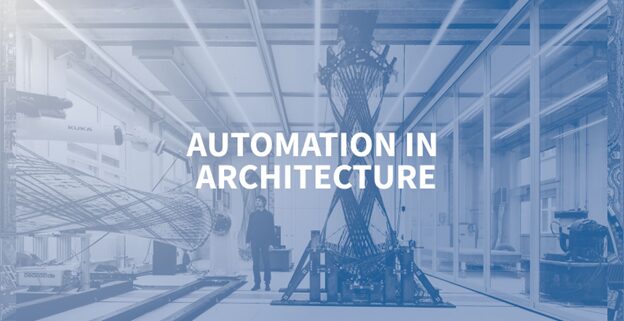
Imagine a world in which structures are carried out with the precision of a master artisan but executed with the efficiency of an assembly line, a world in which the most creative architectural ideas are precisely and quickly embodied as never before. Welcome to the future of building, powered by automation.
Vavetek.AI is at the very forefront of such a transformation, using AI and ML in the democratization of the design of building structures. In this blog, we delve into some detail on the most disruptive developments in automation: how it is changing construction to set new benchmarks in efficiency, accuracy, and collaboration.
Come with us on this journey into the deep impacts of automation in architecture and building design structures and what this portends for construction in the coming years.
The Imperative For Automation in Architecture and Building Structure Design
Automation in Architecture and building structure designs grapples with a host of critical challenges that have always been in the face of the construction industry. Some of these challenges include:
-
-
Inefficiency and Waste:
Many times, the traditional design procedure consumes a lot of time, and in most cases, it runs a process with errors; finally, the whole process becomes expensive and time-consuming. Automating can greatly reduce such sorts of inefficiency by optimizing design workflows and reducing errors.
-
-
-
Complexity Management:
Modern buildings are becoming complex, leading to precarious design requirements and high coordination among different systems. Automation in architecture allows these types of complexities to be better managed so that all the parts are properly integrated.
-
-
-
Optimization of Resources:
The consumption of resources, in terms of construction materials and labour deployed, requires continued optimization concerning every activity involved in construction. The automated tools of design can help settle huge chunks of data based on which a resource-friendly behaviour can be suggested that would ultimately result in diminishing levels of wastage and costs.
-
Key Benefits of Automation in Architecture and Building Structure Design
There are several advantages of incorporating automation into the design process, such as:
-
-
Greater precision and accuracy:
Design automation tools can take more detailed specifications into account and develop more precise models while reducing any possibility of errors so that the final structure is in conformance with quality and safety standards.
-
-
-
Speed and Efficiency:
Automation of repetitive activities and functions increased the speed of the whole process and improved the number of iterations due to the fast speed. This allows architects and engineers to focus on more creative, advantageous, and strategic aspects of designs; hence, fast-tracking project timelines.
-
-
-
Increased Collaboration:
Most automated design platforms are packaged with in-built collaboration tools that help in sharing and real-time editing of the designs. They allow for improved communication and coordination among the various stakeholders involved in a project, reducing misunderstandings and leading to better overall outcomes.
-
-
-
Cost Reduction:
Through the optimization of the design process and usage of resources, automation reduces costs. This is particularly possible in large-scale projects, in which the savings, be they ever so small, are considerable.
-
Uses of Automation in Architecture and Building Structure Design

Automation in Architecture is applied at many stages, from the conceptual stages to the stages of detailed engineering in building design. Some of the predominant applications include:
-
-
Fruitful Design:
With algorithms, generative design allows the analysis of thousands of design options based on preset conditions, an approach that helps in arriving at the best solutions regarding aesthetics, function, and cost. For instance, the generative design tools of Autodesk promoted optimized, complex structures that would be impossible to think of using conventional methods.
-
-
-
Building Information Modeling BIM:
In this school of thought, is an intelligent model-based process that provides tools and automated production of complete building systems from building data even during building development.
Automation enhances BIM through automatic detailed 3D model generations and hence results in simplified clash detections, promotion of coordination among the domains, more accuracy in design, and speeded-up processes.
-
-
-
Structural Analysis and Simulation:
Automated tools can perform strenuous structural analyses and simulations to ascertain that the design conforms to the required safety and performance standards. Being capable of modelling how a building would react in varied conditions about the proposed load and environmental features, such tools run complicated simulations.
-
-
-
Parametric Design:
Having parametric design capabilities allows intelligent design, and flexible and adaptive structures while manipulating its design parameters.
Parametric designs are very useful, as they allow for on-the-fly adjustment of parameters with an immediate visualization of impacts on the whole design. It becomes more feasible to analyze alternatives and performance optimization with this.
-
Triumphs with Automated Design Adoption in the New World
Using Automation in Architecture and Building the design has been effectively applied in the following projects:
The Edge, Amsterdam:
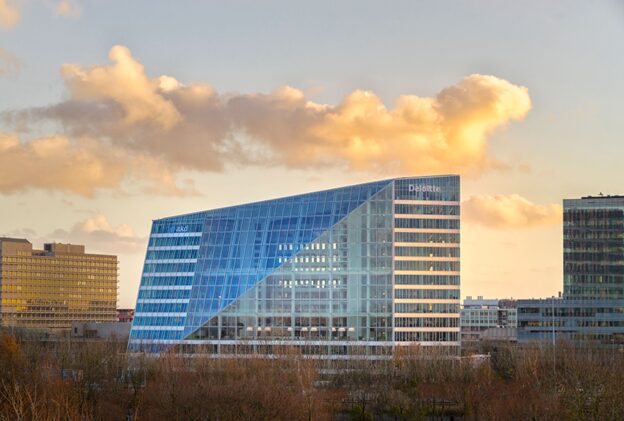
Sometimes cited as one of the smartest buildings on earth; the Edge went through a design and construction process that was laced with the use of advanced automation and BIM technologies. The building design process was interfaced with automatic procedures to reap the maximum benefits from energy use and sustainability.
Broad Group’s Prefabricated Skyscrapers, China:
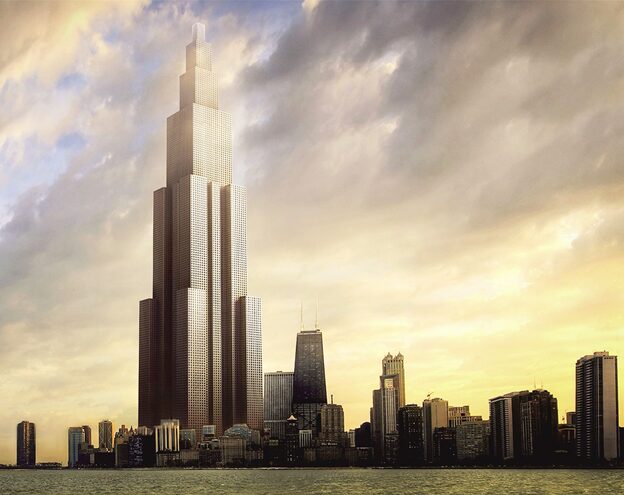
Broad Group has pioneered the use of prefabrication and automation to pitch high-rise buildings at an incredible pace. Their method involves automated design that determines the precise number of elements to be assembled on-site. This has greatly reduced the costs and construction time.
Generative Design Projects by Zaha Hadid Architects:
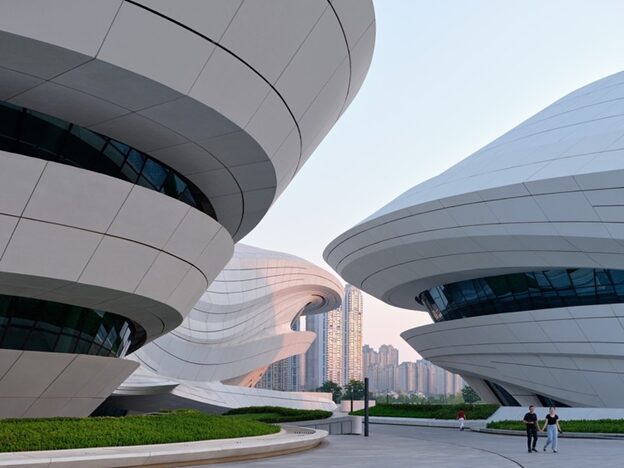
The use of generative design tools in creating elaborate, complex, and innovative buildings has been lodged at the forefront of Zaha Hadid Architects. Their automated design process has been essentially based on resulting buildings that are visually attractive and structurally intact, all to the point that traditional architecture has to be stretched to its limits.
The Future of Automation in Architecture and Building Structure Design
There are many new developments and advances in store for automation in architecture and building structure designs in the future. Some of them include:
-
-
AI and Machine Learning Integration:
Incorporating AI and machine learning into design tools will further feed in ever-more sophisticated analyses and optimizations. These technologies are capable of learning from large datasets and improving predictive accuracy while providing more and more granular design recommendations.
-
-
-
**Robotics and 3D Printing:
**
Very important is the potential combination of automated design and most especially automation with robotics and 3D printing. This triplet can automate the construction process, not just the designing part. Therefore, innovative, efficient means of construction shall be enabled.
-
-
-
Sustainability and Smart Building Design:
Automation is one of the ways through which increasingly forward advancements in sustainable building practices can be enhanced. This is to optimize energy usage, selection of materials, and ultimately, whole building performance while creating smarter, greener buildings.
-
-
-
**Augmented and Virtual Reality:
**
AR and VR technologies with immersive visualization and simulation have the potential to take automated design into improved dimensions showcasing quality decision-making and interaction with the designs created.
-
Conclusion
The process of automation in architecture and design-making system for the structures of buildings is therefore setting a new pitch in the construction industry, offering never-before-seen exactitude, expediency, and cooperation.
At Vavetek.AI, we are committed to driving this change by applying AI and ML to our design solutions so that our clients benefit from the latest technological innovations.
There is little doubt that automation will change over time—hence, for sure, will be the direction of the future construction, towards smarter, sustainable, and innovative building practices. Automation to be adopted today will take the industry players up in preparation for a competitive and technologically advanced tomorrow.