
5 Current Trends of the AEC Industry for 2025

The Architecture, Engineering, and Construction AEC industry For 2025 is on the brink of a revolution. As we move into 2025, rapid technological advancements, a strong focus on sustainability, and evolving client expectations drive profound changes in how buildings and infrastructure are designed, constructed, and maintained. From the rise of digital twins to the integration of AI-powered solutions, the AEC sector is embracing innovation like never before.
In this blog, we’ll dive into the top trends that are shaping the future of the AEC industry, offering insights into how these technologies and practices are enhancing efficiency, fostering sustainability, and enabling smarter construction methods. Let’s explore the exciting developments that will define the AEC landscape in 2025 and beyond.
1. Digital Twin Technology: The Backbone of Smart Construction
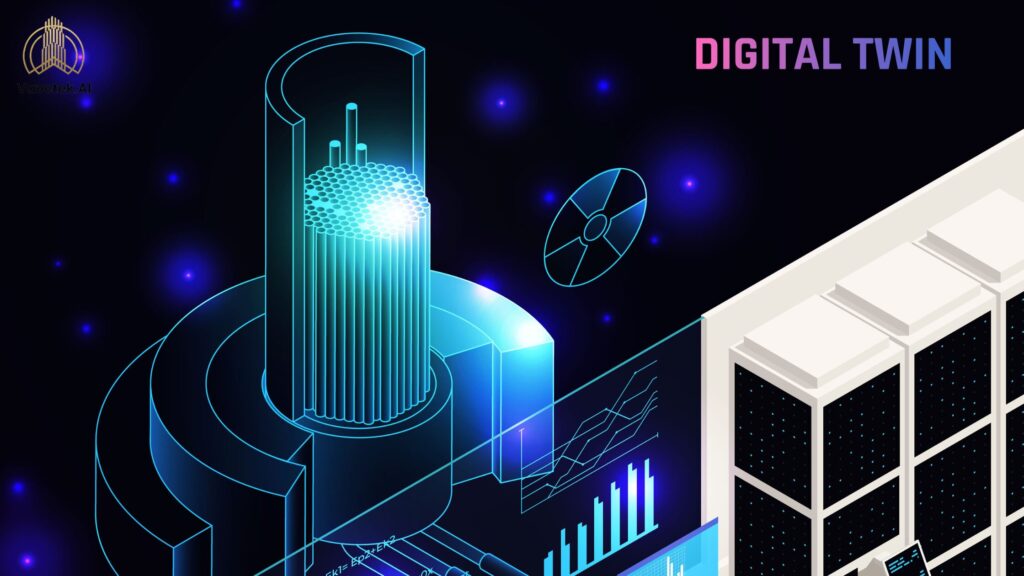
Digital twins are revolutionizing the AEC industry by creating real-time virtual replicas of physical structures. These digital models are populated with real-time data and act as dynamic mirrors of their physical counterparts. By simulating conditions and performance over time, digital twins empower stakeholders to monitor, analyze, and optimize their projects throughout the entire lifecycle.
Key Benefits:
- Enhanced Predictive Maintenance: Digital twins allow for constant monitoring of a building’s or infrastructure’s health. Real-time data streams from sensors embedded in the physical structure help forecast potential failures or wear and tear, enabling early interventions before issues escalate.
- Energy Efficiency: By simulating various operational scenarios, digital twins enable the testing of energy-saving strategies under different conditions, optimizing the building’s energy consumption and contributing to greener operations.
- Lifecycle Management: These digital models offer continuous insights into the asset’s condition and usage, enabling long-term tracking of structural health and extending the lifespan of buildings and infrastructure.
Real-World Applications:
- Smart Cities: Urban planners utilize digital twins to simulate urban environments, helping them analyze traffic flow, optimize energy distribution, and predict infrastructure strain. This proactive approach is vital for effective city planning and resource management.
- Large-Scale Infrastructure: Airports, power plants, bridges, and other critical infrastructure systems use digital twins to monitor their performance in real time. They can predict operational inefficiencies, streamline safety protocols, and ensure better long-term management.
By 2025, digital twins will be essential for optimizing the performance of both new and existing structures, integrating data-driven precision throughout the project lifecycle.
2. AI and Machine Learning: Revolutionizing Design and Construction
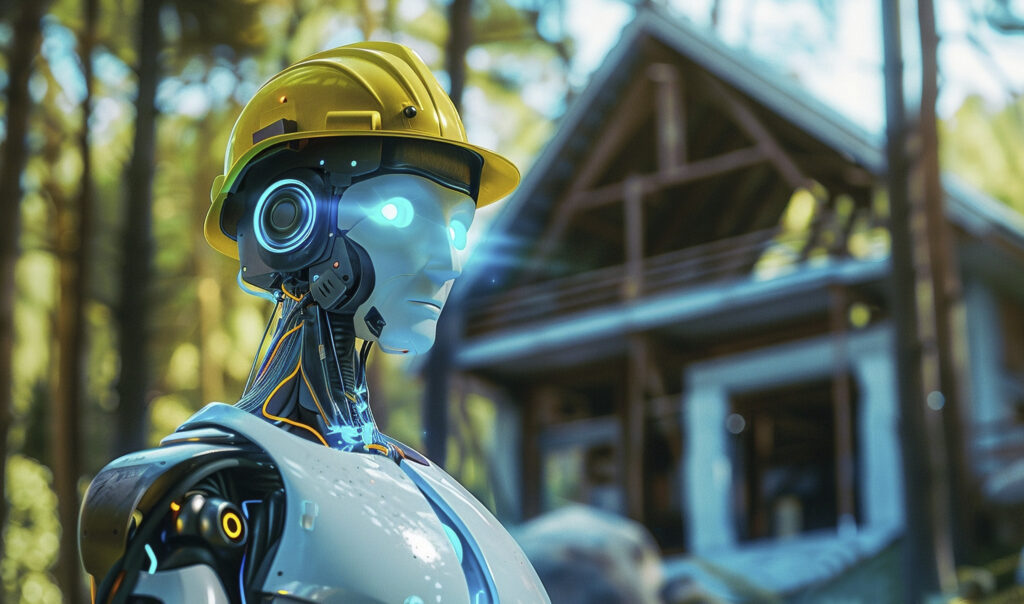
Artificial Intelligence (AI) and Machine Learning (ML) are reshaping the way the AEC industry 2025 operates, optimizing every stage of the project lifecycle. From initial design and construction planning to post-construction operations, AI and ML are enhancing workflows and improving decision-making.
Applications in AEC:
-
Generative Design: AI algorithms analyze project constraints, such as materials, budget, site conditions, and environmental factors, to generate multiple design iterations. This results in highly optimized structures with improved functionality and reduced waste.
-
Predictive Analytics: Machine learning models enable AEC professionals to predict potential risks, such as material shortages, labor disruptions, or adverse weather conditions, allowing teams to adjust plans proactively.
-
Automation: AI-driven robotics are accelerating construction activities. For example, AI-powered robots are performing tasks like bricklaying, welding, and concrete pouring with higher precision and faster execution than manual labor, significantly enhancing productivity.
Emerging Trends:
-
AI-Powered Software: Tools like automated clash detection in Building Information Modeling (BIM) identify design errors early in the process, ensuring more accurate and cost-effective plans.
-
Construction Monitoring: Drones integrated with AI technology are providing real-time updates on site conditions, helping project managers track progress and monitor compliance with project plans and regulations.
AI and ML are not merely supporting traditional construction techniques, they are enabling a paradigm shift toward data-driven construction management and optimization, fostering smarter, more sustainable projects.
3. Modular and Prefabricated Construction: Efficiency and Sustainability
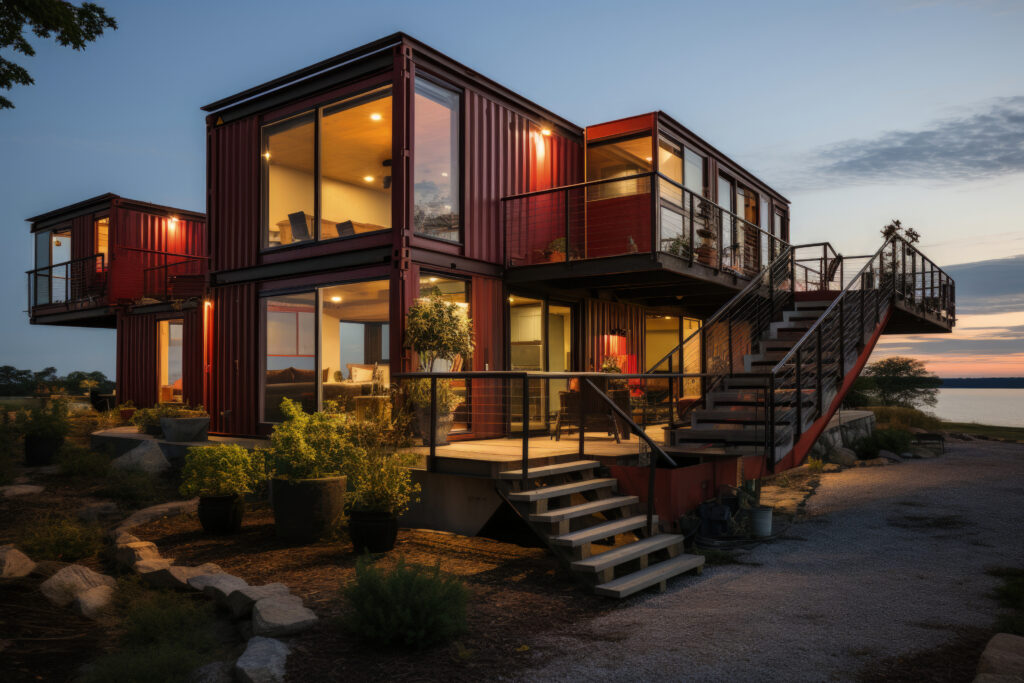
Modular and prefabricated construction is rapidly gaining popularity due to its time-saving and environmentally friendly benefits. This method involves the off-site fabrication of building components, which are then transported to the construction site for assembly. The resulting process is faster, more efficient, and less wasteful than traditional construction techniques.
Why Modular Construction Matters:
- Time Efficiency: Modular construction can reduce project completion time by up to 50% by manufacturing components off-site. Assembly is quicker, and construction timeframes are less affected by on-site delays, such as weather conditions or labor shortages.
- Waste Reduction: The factory-controlled environment used in prefabrication minimizes material waste, as components are fabricated with precise measurements and fewer errors. Additionally, off-site construction reduces the need for heavy machinery on-site, limiting environmental disruption.
- Cost Savings: With streamlined processes, reduced labor costs, and optimized material usage, modular construction offers significant cost savings for developers and clients alike.
Innovative Trends:
- Hybrid Modular Systems: Integrating modular elements with traditional construction methods offers flexibility. Complex buildings can benefit from the scalability of modular components while retaining the versatility of conventional construction techniques.
- Sustainable Prefabrication: The growing adoption of recycled and renewable materials, such as recycled steel or bio-based composites, is increasing the sustainability of modular building practices. Prefabricated units can be designed to use less energy, reducing a building’s carbon footprint over its lifecycle.
Modular construction is proving to be a game-changer for the AEC industry, especially for large-scale residential, commercial, and industrial projects that require fast, efficient, and sustainable solutions.
4. Green Construction: Sustainability Takes Center Stage
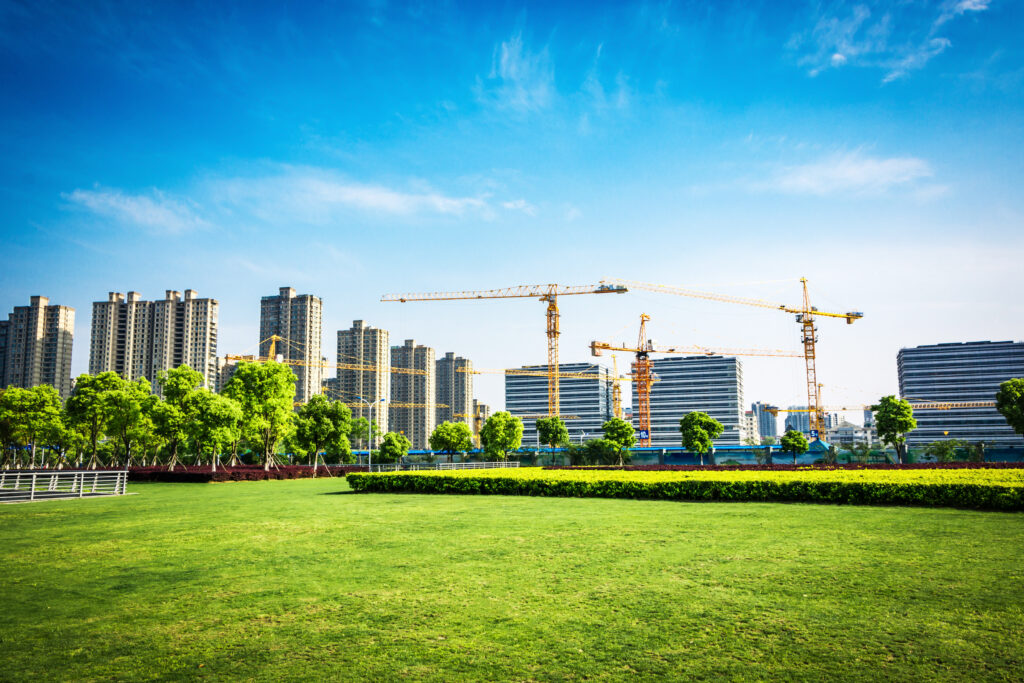
Sustainability is no longer an optional feature but a fundamental necessity in the AEC sector. Green building practices are gaining prominence as both clients and governments increasingly prioritize environmentally responsible designs. As a result, green construction is becoming a driving force in the industry, fostering innovation in materials, energy efficiency, and sustainable project management.
Innovative Materials:
- Self-Healing Concrete: This revolutionary material incorporates bacteria that produce limestone to repair cracks automatically, extending the lifespan of structures and reducing maintenance costs.
- Carbon-Neutral Composites: New materials, such as recycled steel, carbon-neutral cement, and bio-based polymers, are reducing the carbon footprint of building materials. These eco-friendly options are designed to minimize environmental impact without compromising structural integrity.
Energy-Efficient Practices:
- Passive Design Principles: Strategies like building orientation, natural ventilation, and optimized daylighting reduce energy consumption and improve indoor air quality. Buildings are increasingly designed to work in harmony with their environment, minimizing the need for artificial heating, cooling, and lighting.
- Renewable Energy Integration: Incorporating renewable energy technologies—such as solar panels, wind turbines, and geothermal systems—into building designs ensures long-term sustainability and reduces reliance on traditional energy sources.
Green Certifications:
Programs like LEED (Leadership in Energy and Environmental Design) and BREEAM (Building Research Establishment Environmental Assessment Method) are setting high standards for sustainable construction. These certifications encourage AEC professionals to innovate by integrating energy-efficient designs and sustainable practices into their projects.
As green building practices continue to mature, sustainable construction is becoming a critical factor in determining project success.
5. Smart Cities: The Intersection of IoT and Infrastructure
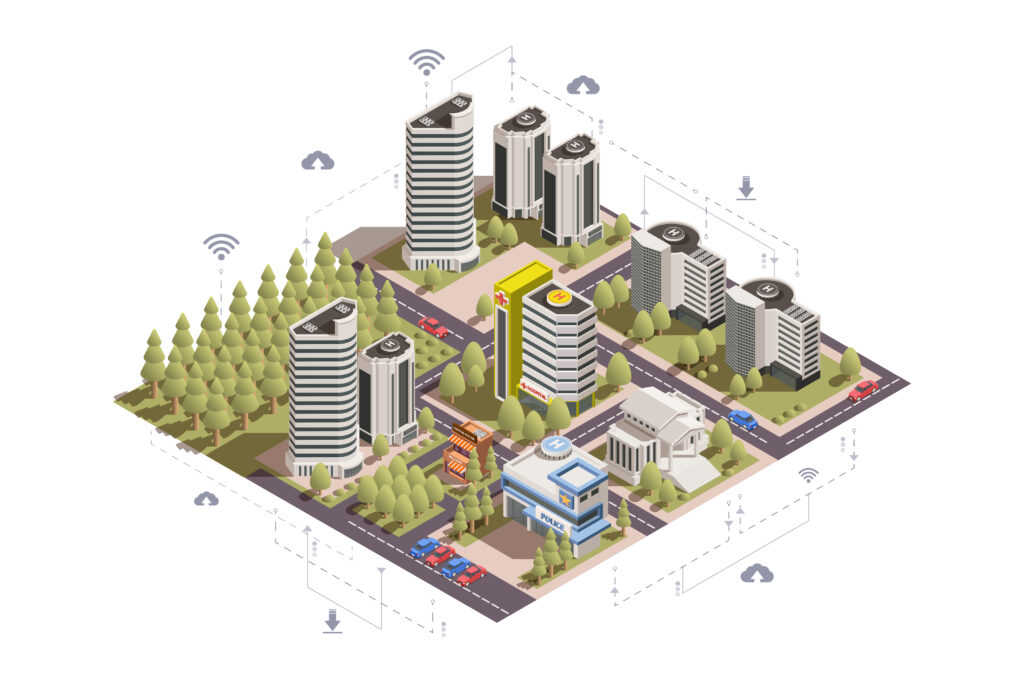
Smart cities are transforming urban environments by integrating the Internet of Things (IoT), Artificial Intelligence (AI), and advanced analytics to create more connected, efficient, and sustainable cities. These technologies enhance urban life by improving infrastructure, transportation, energy management, and governance.
Core Technologies:
- IoT Sensors: These devices continuously monitor various aspects of urban life, including energy consumption, traffic patterns, air quality, and waste management. The data gathered from IoT sensors informs real-time decision-making, helping cities optimize resources.
- Digital Twins: Cities use digital twins to model urban environments, simulate scenarios, and predict future challenges related to population growth, infrastructure wear, and environmental changes. These simulations help urban planners develop more effective, sustainable cities.
- AI-Driven Solutions: AI is integrated into systems like autonomous vehicles, traffic management, and energy grids. For instance, AI-enabled smart grids optimize electricity distribution based on real-time consumption patterns, reducing energy waste and improving grid efficiency.
Key Features of Smart Cities:
- Sustainability: With the focus on reducing carbon footprints, smart cities are adopting green infrastructure, renewable energy sources, and sustainable construction practices to create environmentally responsible urban environments.
- Enhanced Quality of Life: Through automation, data-driven services, and better resource management, smart cities improve urban living by offering more efficient public services, reduced traffic congestion, and cleaner air.
As the global population grows, smart city initiatives will drive demand for innovative, sustainable infrastructure solutions. The AEC sector will play a central role in creating the cities of tomorrow.
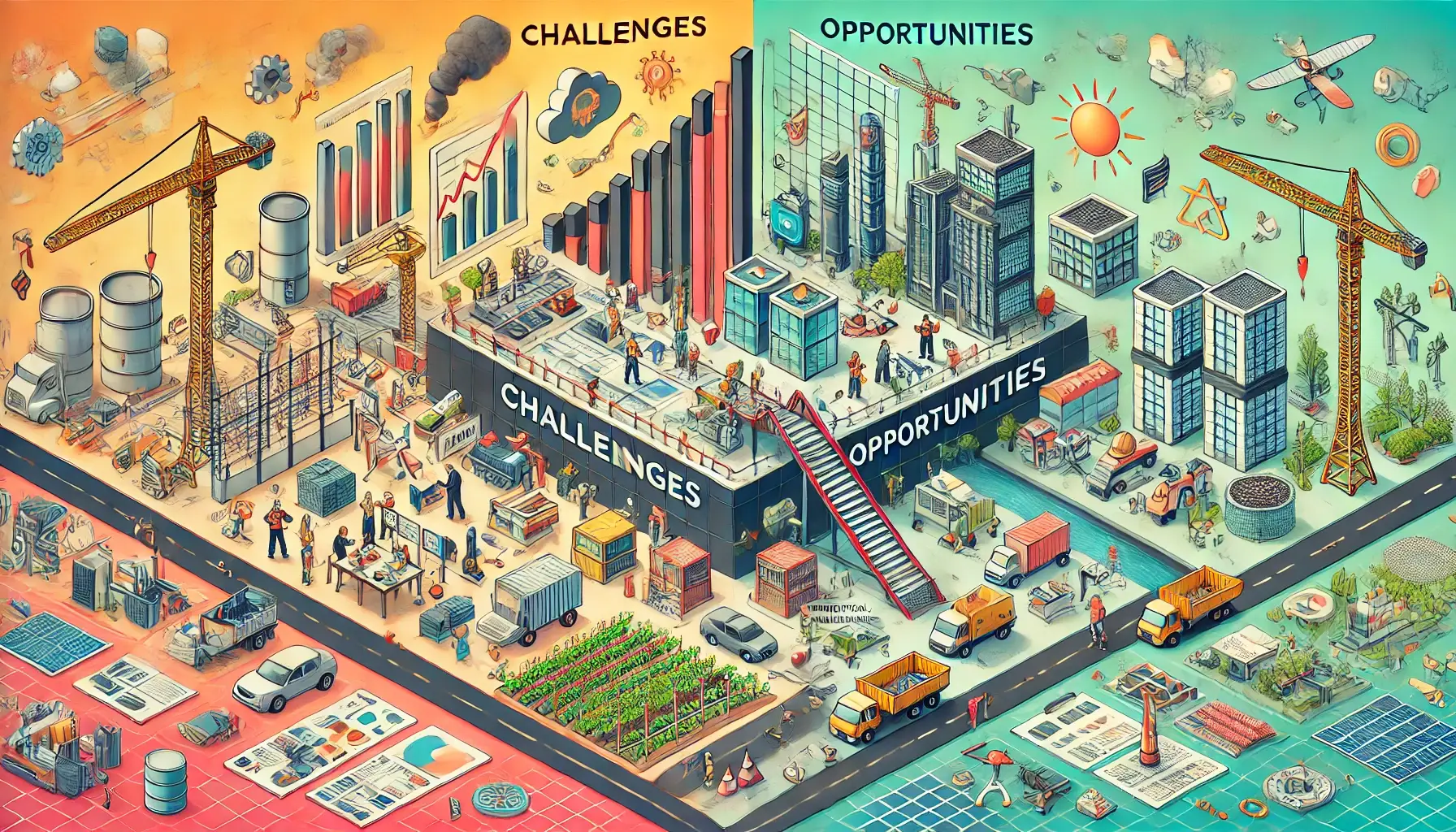
Challenges and Opportunities in 2025
**
**
Key Challenges:
- Data Security: As the reliance on digital tools like BIM, digital twins, and cloud-based platforms grows, protecting sensitive project data and ensuring cybersecurity will be crucial.
- Skilled Labor Shortages: The demand for professionals skilled in AI, robotics, digital modelling, and advanced construction technologies is outpacing supply, creating a need for specialized training and recruitment.
- Regulatory Compliance: Companies in the AEC industry will face the key challenge of keeping up with evolving environmental regulations and data privacy laws.
Opportunities for Growth:
- Innovative Construction Methods: 3D printing, robotic automation, and AI-driven construction tools offer cost-effective, sustainable solutions that can revolutionize project delivery.
- Smart Infrastructure Projects: The increasing focus on smart cities presents significant opportunities for AEC firms to lead large-scale, transformative infrastructure projects that integrate cutting-edge technologies.
Conclusion: Embracing Innovation for a Sustainable Future
As we look ahead to 2025, the AEC industry is poised for transformative change. The integration of digital twins, AI, modular construction, and sustainable practices is not just enhancing the efficiency of construction processes but also laying the foundation for smarter, more resilient cities and infrastructures.
These trends highlight the industry’s shift toward innovation and sustainability, offering both challenges and immense opportunities. Companies that harness these advancements will not only stay ahead of the curve but will also drive the future of construction, creating environments that are not only functional but also intelligent, eco-friendly, and future-proof. The VAVETEK AI Blog explores how these technologies are shaping the industry and how businesses can leverage them for success. Embracing these innovations today will ensure a sustainable and prosperous future for the AEC industry tomorrow.